Malawi Feeds Itself.
We are a passionate, nonprofit social enterprise focused on financial inclusion for food security and economic empowerment.
6 functions
centralized by ZENGA, lifted off the farmer.
1 unit
of organization, the clan, farming together.
Proceeds
reinvested to support additional farmers and for the participating farmers’ benefit.
THE IDEA
Food security starts further upstream than the field
ZENGA began with a question: is ineffective financial governance what keeps Malawi poor? Or is it food insecurity? Then we followed the connection between finance and food security. Follow the chain. Each link depends on the one before it.
Capital that actually reaches producers. Malawi food producers are denied financial capital by collateral demands, costly banking, and institutions that cannot see them. Until finance is governed and delivered so it can reach a smallholder, every agricultural intervention is built on quicksand.
Finance only matters if it arrives as intended, at the right time. ZENGA turns capital into quality seeds, fertilizer, and equipment delivered before the rains and backed by extension throughout the season. Around the farmer, ZENGA carries the weight they should not have to: administration, logistics, record-keeping, and planning.
Equipped farmers produce more and lose less of it. Yields rise, harvests become reliable rather than a gamble on weather and the market. ZENGA’s market access turns surplus into income instead of spoilage. The first result is the one that matters most: households and communities that feed themselves, in both good and bad seasons. Food security built from production, not dependence on imports.
A community that feeds itself starts to change everywhere else. Income from surplus pays school fees and clinic bills; savings become possible; young people begin to see a future in farming. Markets deepen, and other investment follows the food. Development was never a project to be delivered from outside; it is what grows, season by season, out of a community that eats.
Testimonials
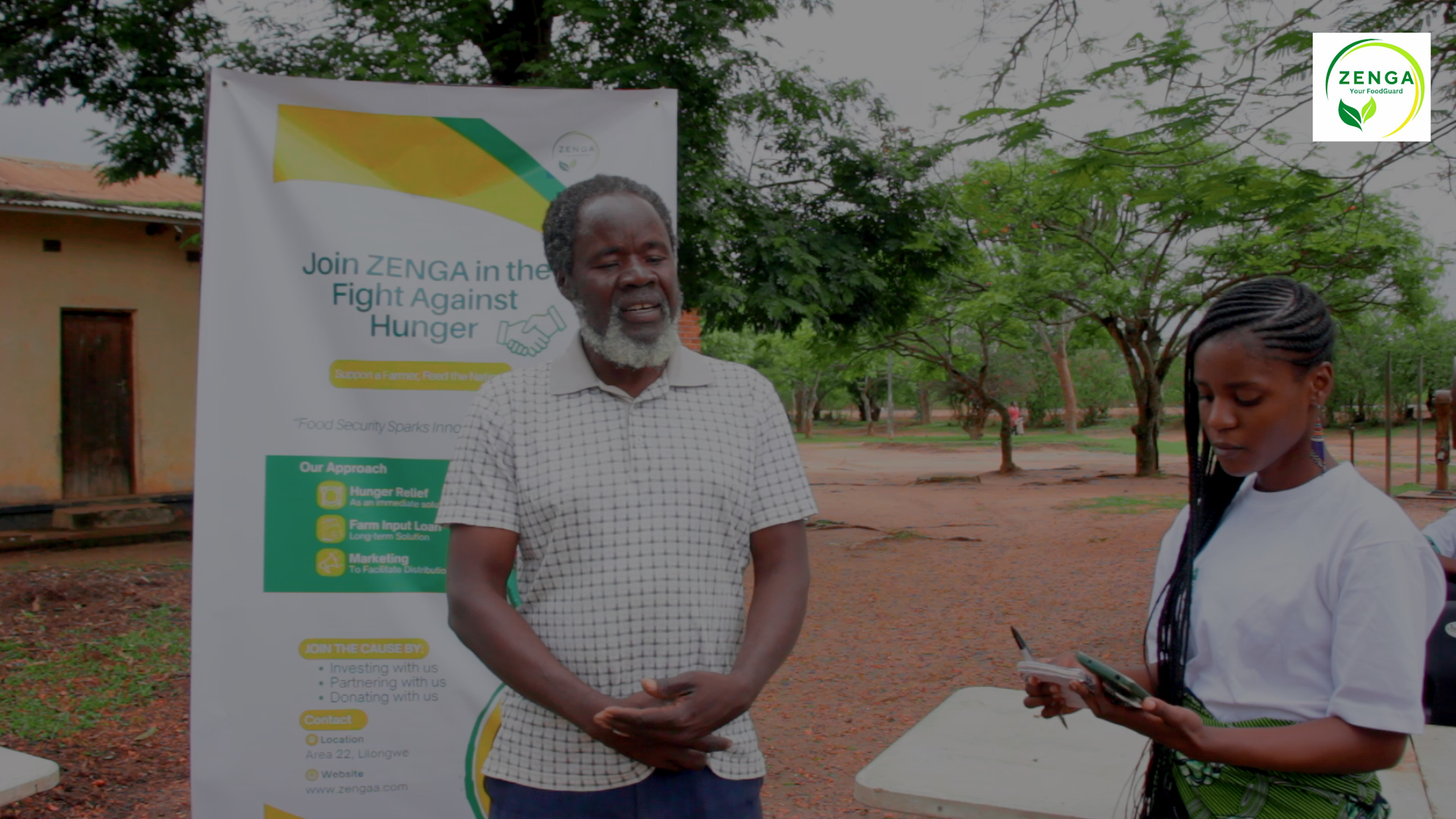
CLIFFORD CHIDYA, Farmer
“We are very excited about all the work ZENGA is doing. They do not only provide us with immediate solutions to hunger but also long-term solutions.”
20+
Farming households supported.
$2500
Total investment made.
$4600
Total food value created.
The Pilot in Pictures
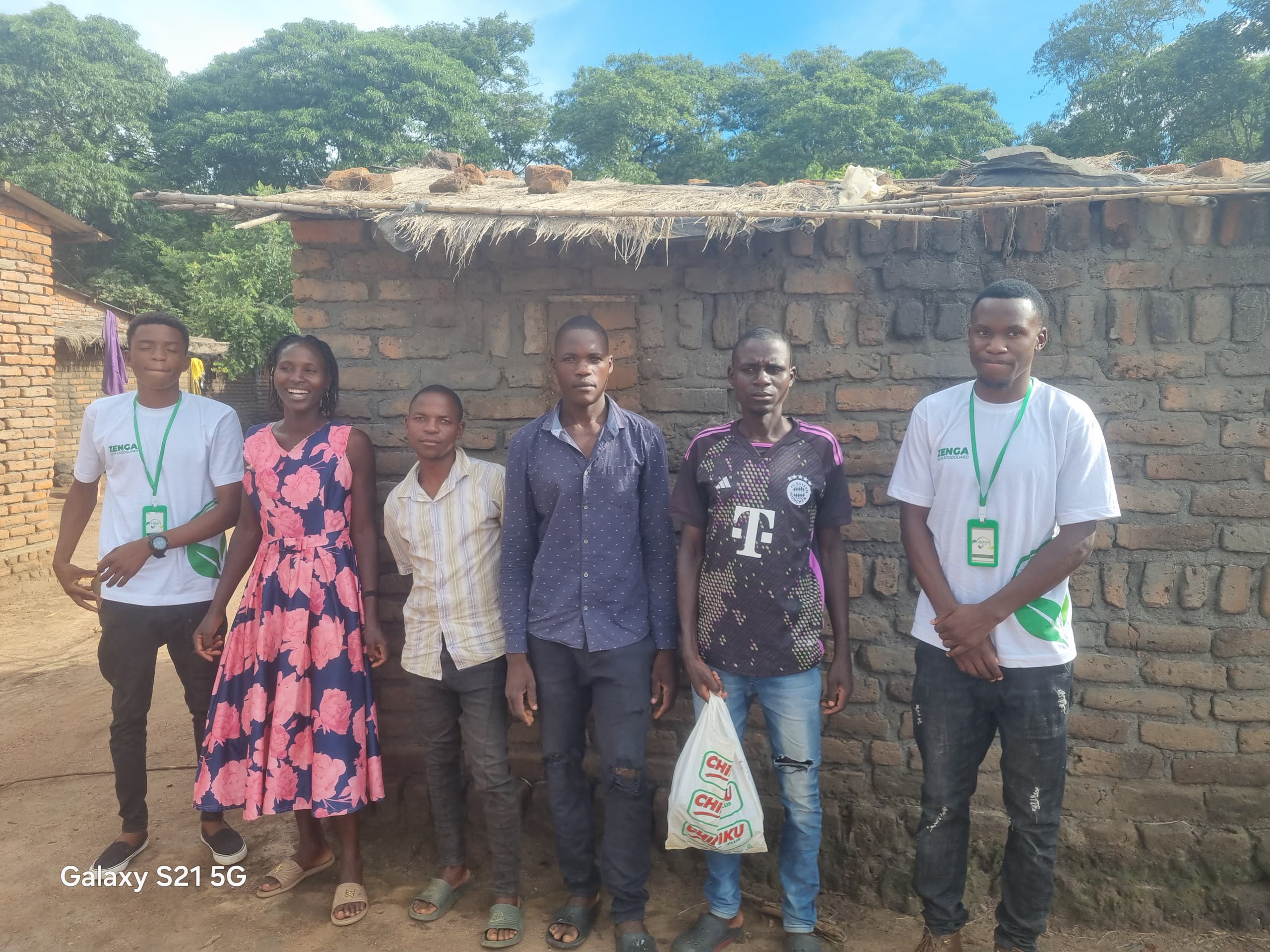
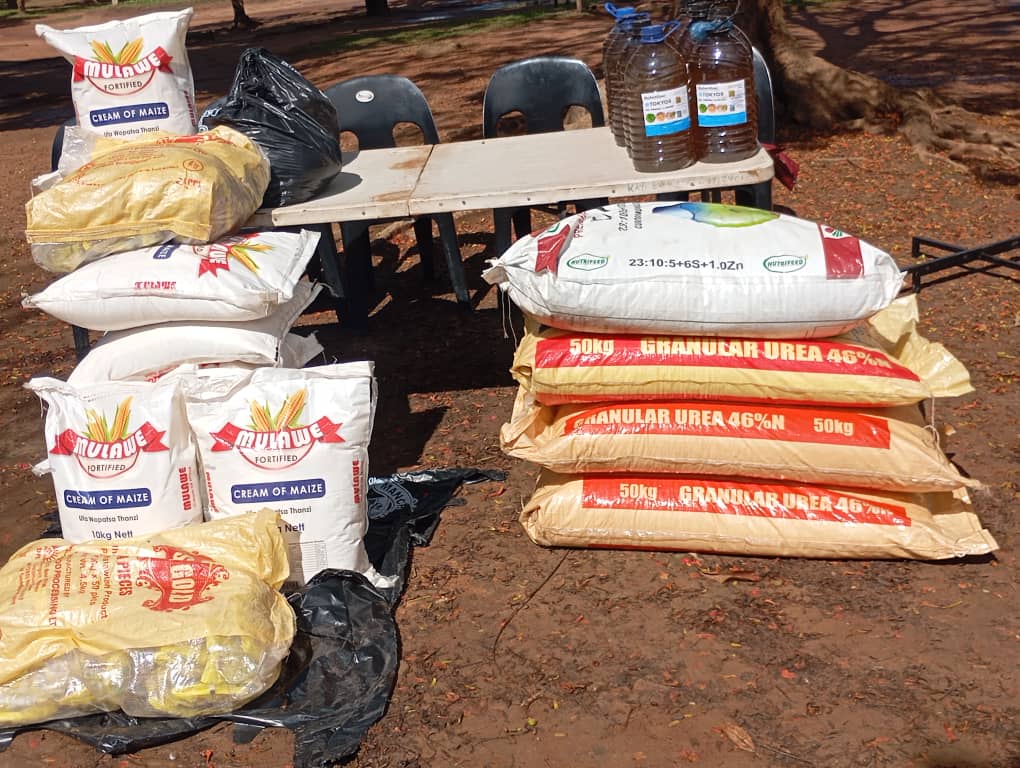
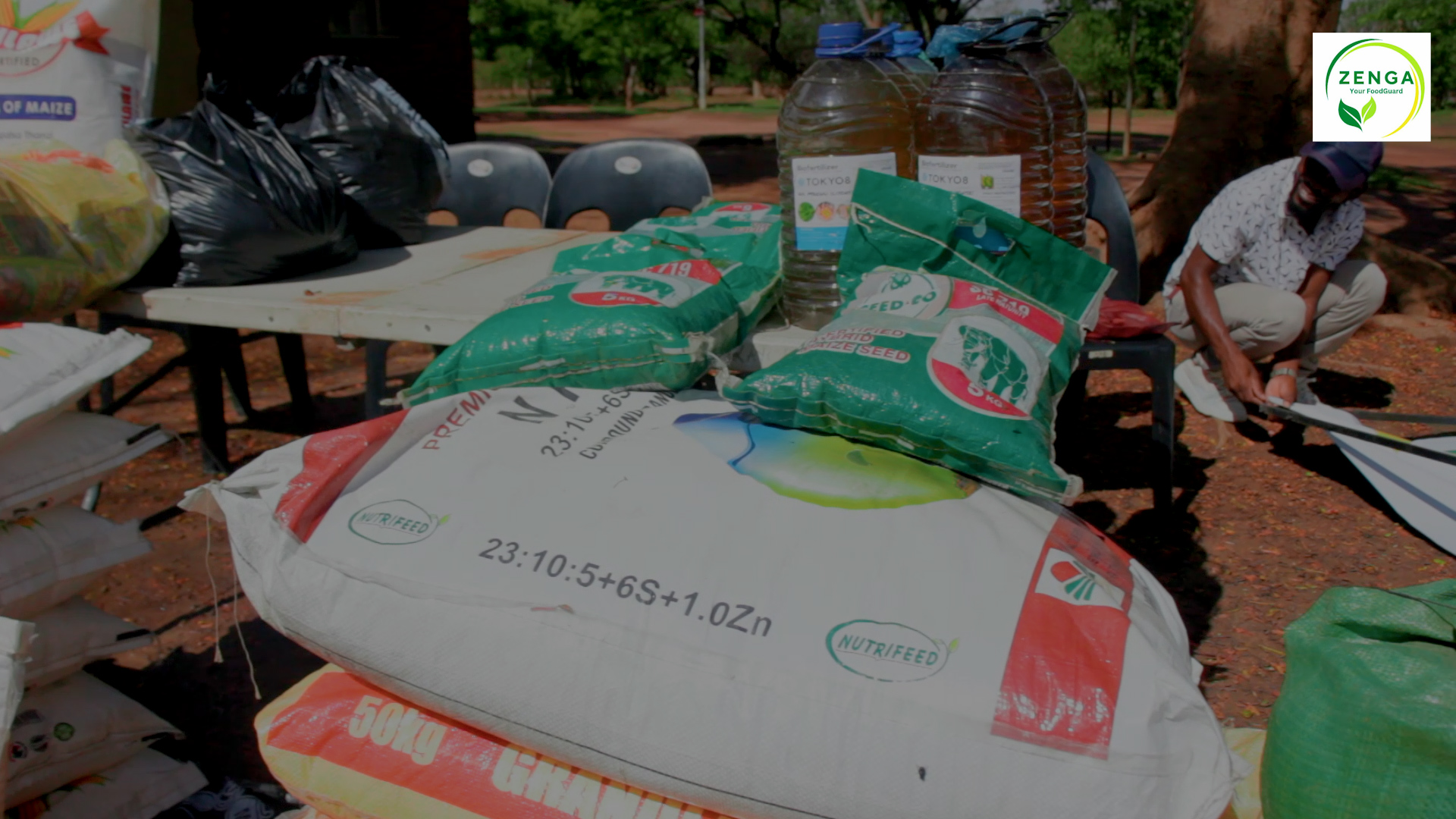
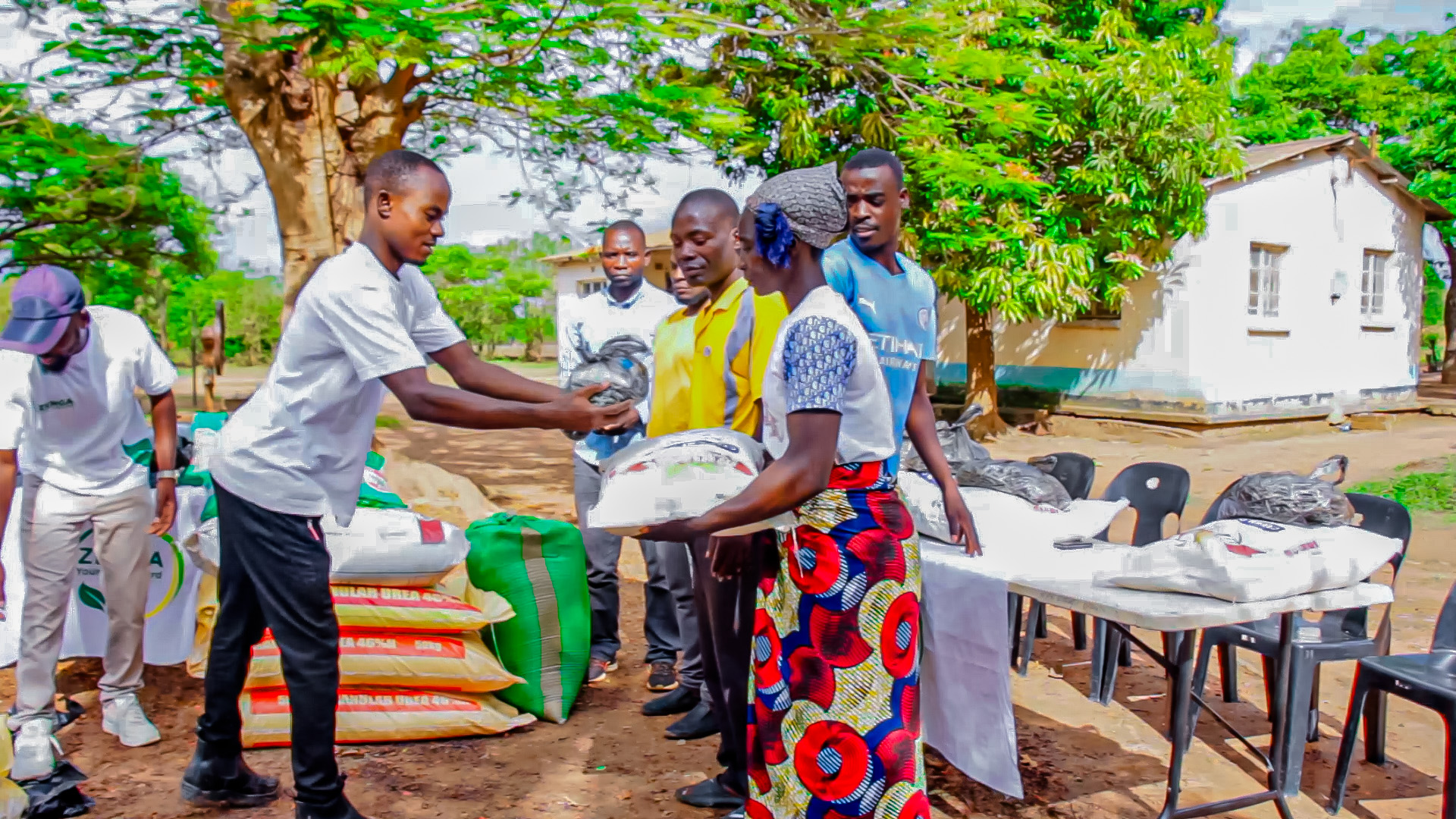
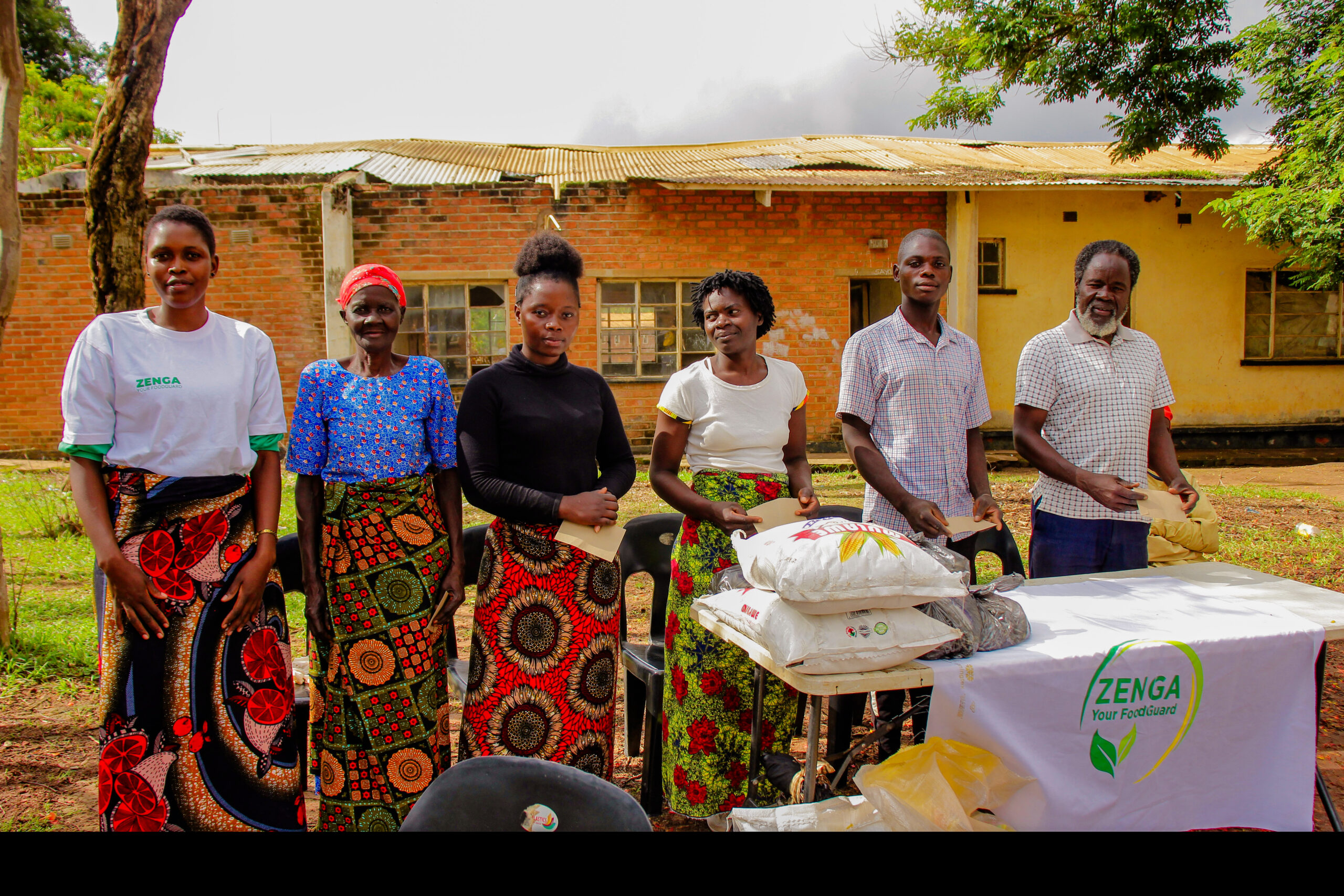
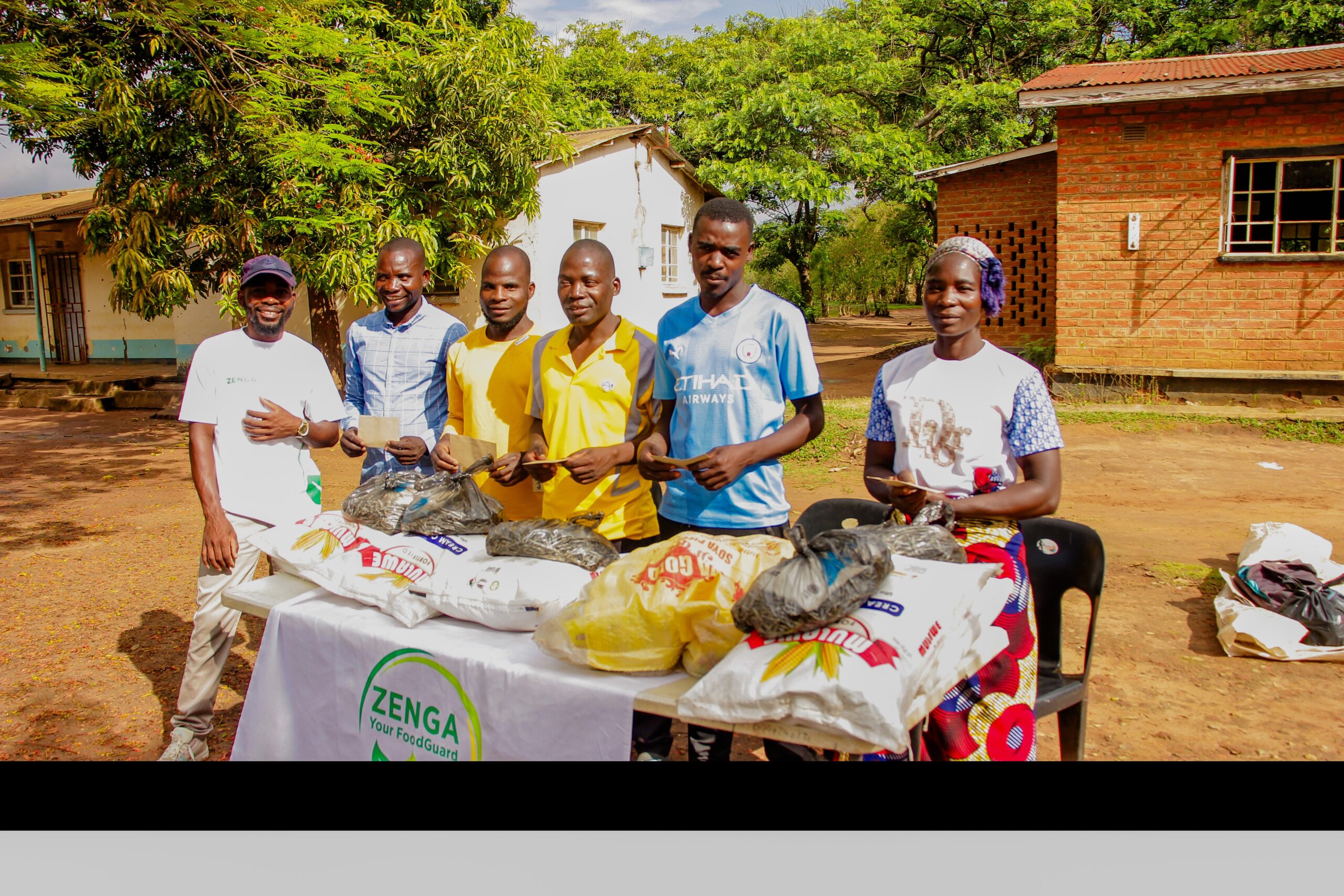
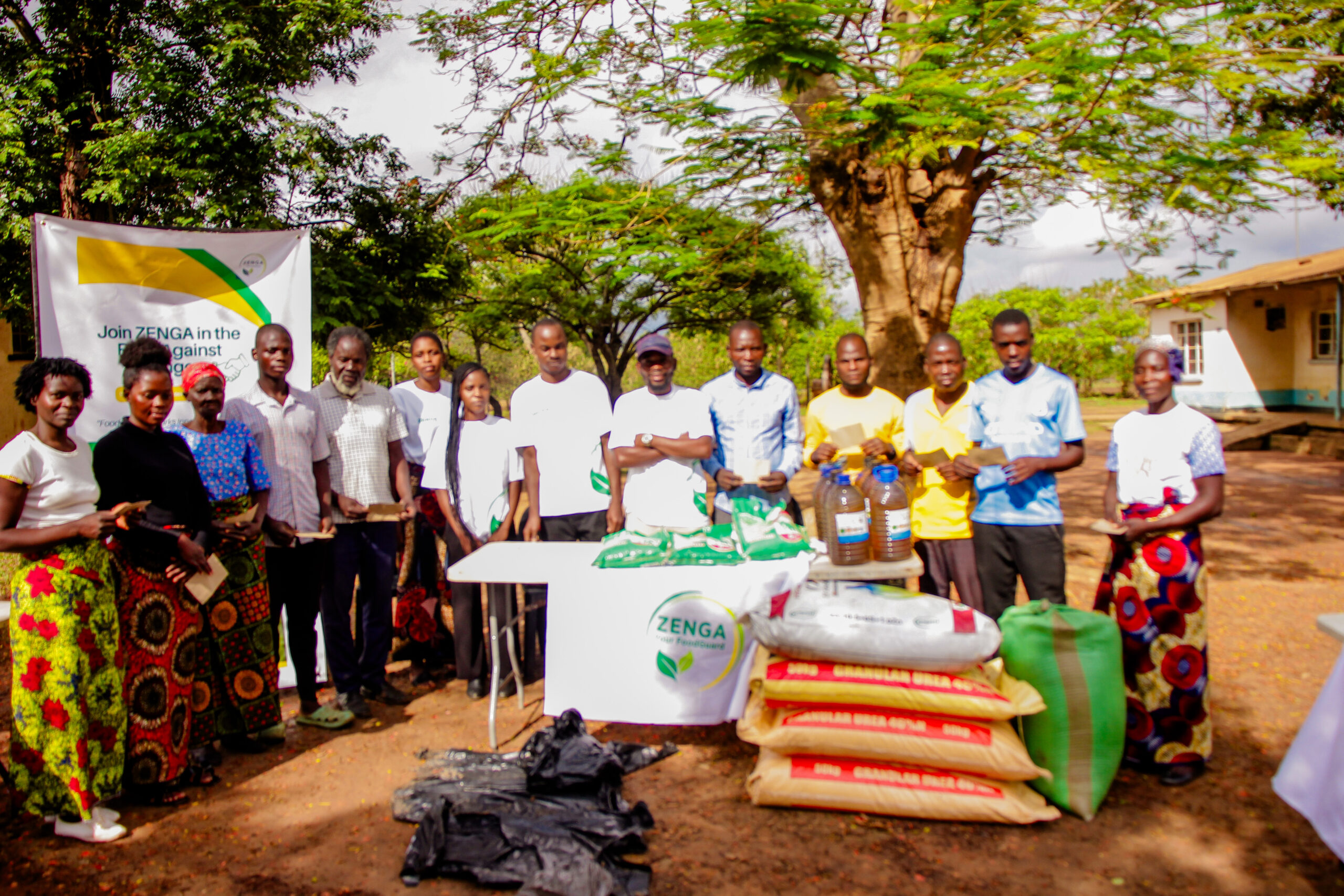
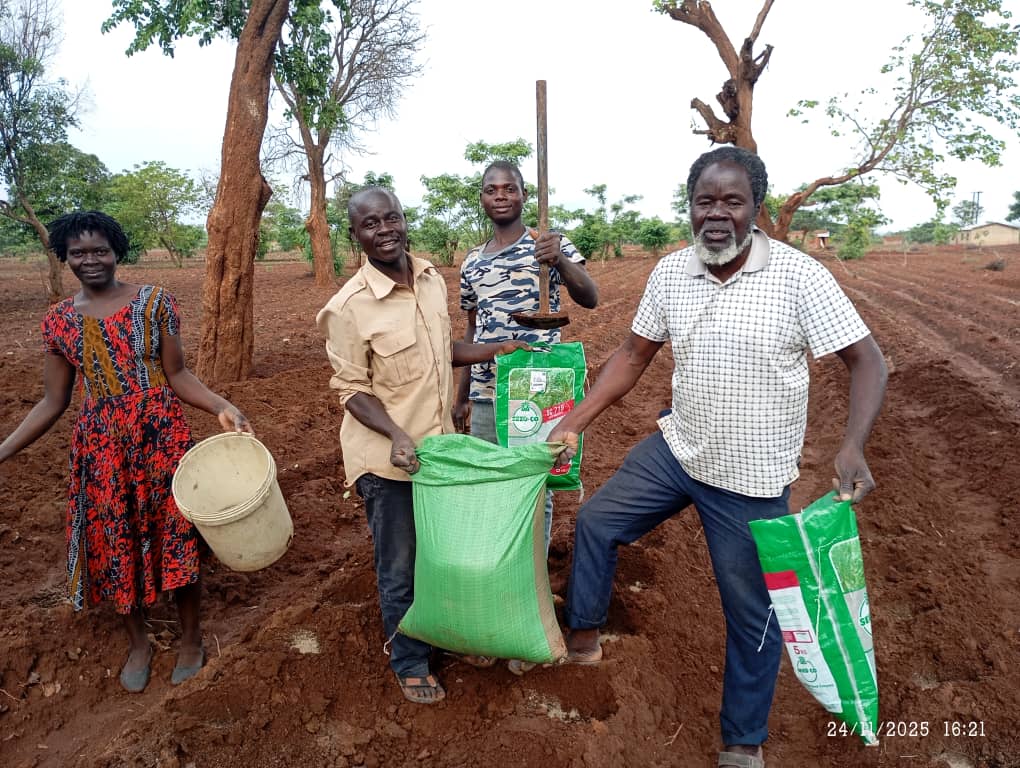
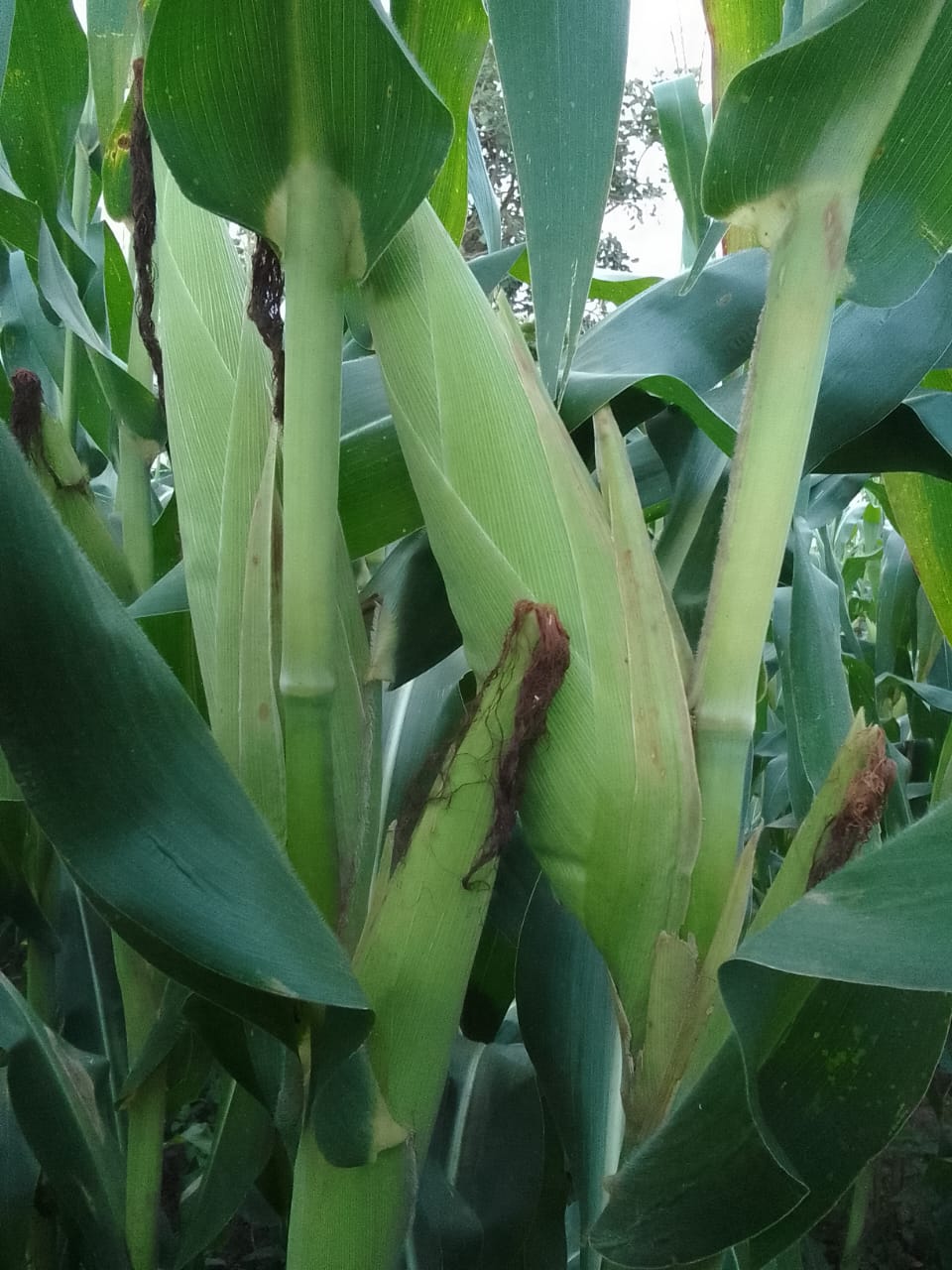
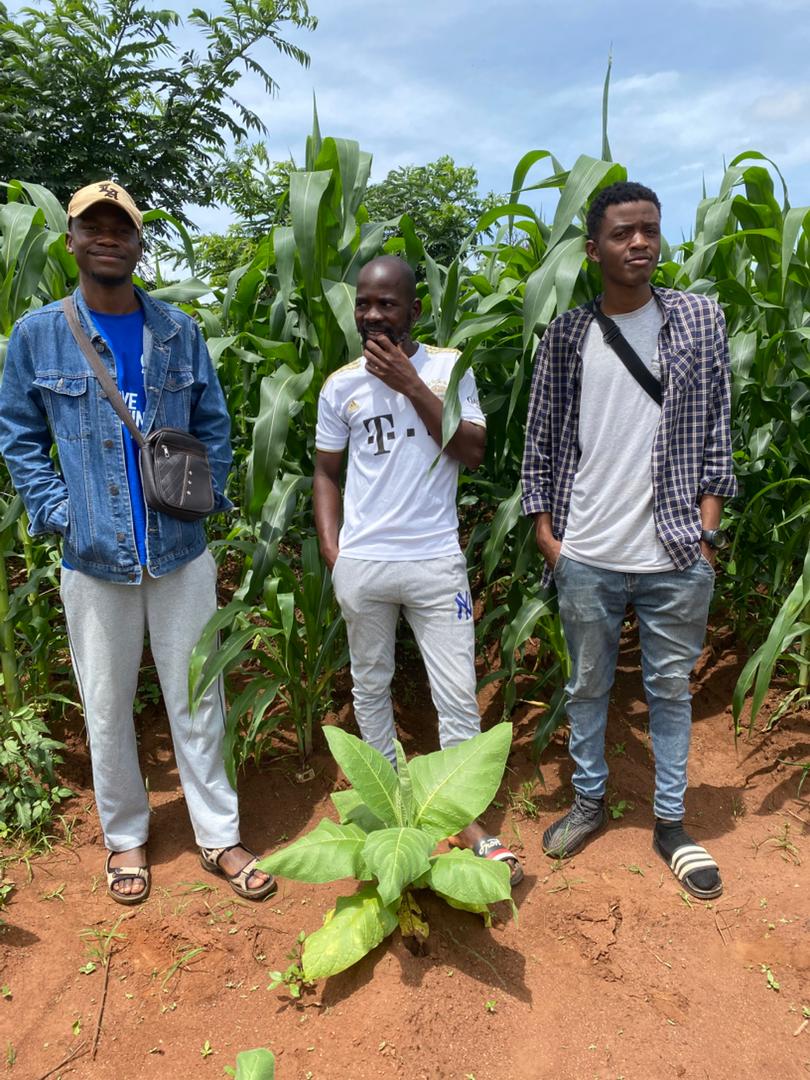
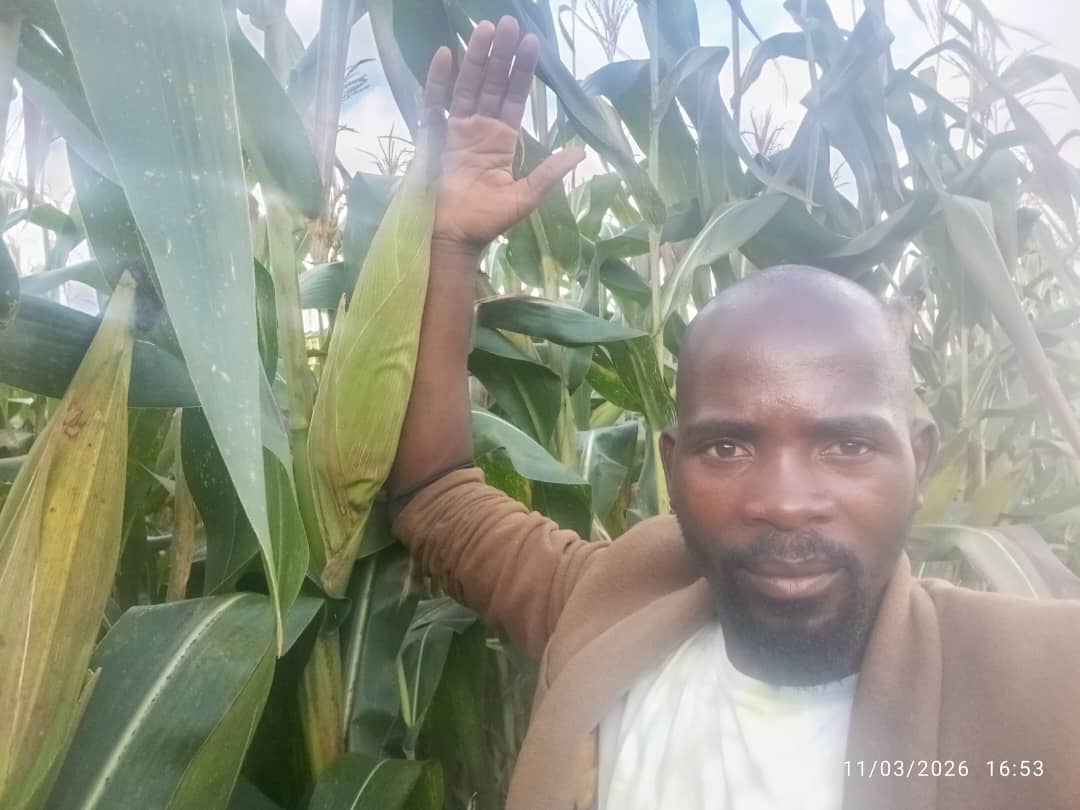

How the pilot began
ZENGA started by listening. Before a single input was bought, we carried out a market assessment to understand the challenges farmers face firsthand. Alongside published research and data, we visited 25 farmers across five communities on the outskirts of Lilongwe and consulted four experts: an experienced farmer, a former employee of NEEF, a senior official at the Reserve Bank of Malawi, and an economics professor at Hosei University in Japan.
Everywhere, the answer was the same: farmers cannot access finance because they lack the five Cs, and they cannot rely on a market for what they grow.
The 2025/26 pilot
Twenty of the farmers we assessed met our criteria and formed the pilot, four groups of five. Two groups were facing severe hunger when the season began, so we first ran a hunger relief effort, providing food and some cash so those families could concentrate on farming instead of searching for food. Food and cash are temporary relief; the farming inputs that followed are the long-term answer.
ZENGA provided every essential input for growing maize except labor. In return, farmers agreed to repay a share of their harvest in kind; the harvest itself is what sustains the programme into the next season.
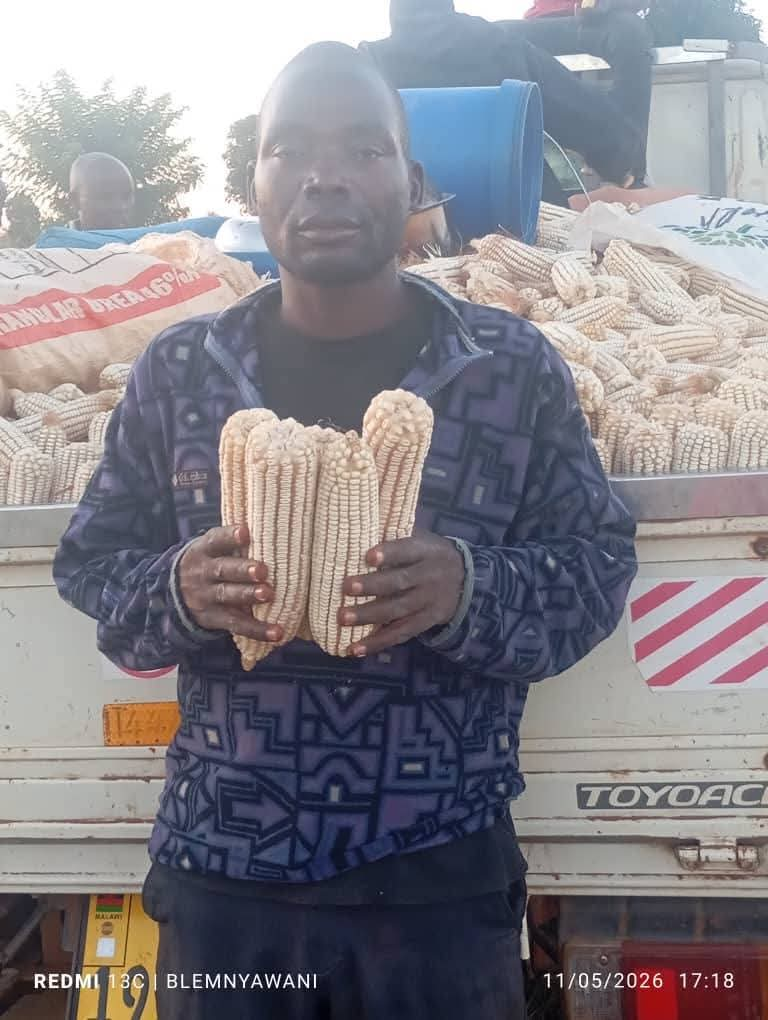
By harvest, average yields had more than doubled, from the 15 bags per acre farmers reported harvesting the season before to 35 bags per acre (50 kg bags). Every farmer repaid in full, a 100% repayment rate, and the season created about $4,600 worth of food from about $2,500 invested.
The photographs in this gallery tell the story of that season, from the first assessments to the harvest.
One season, 20 households—pilot evidence, not proof at scale.

Projects
The Chimanga Campaign
Office
Area 22, Lilongwe, Malawi
Hours
Mon – Sun: 8AM – 5PM
Call
(265) 885603738
info@zengaa.com